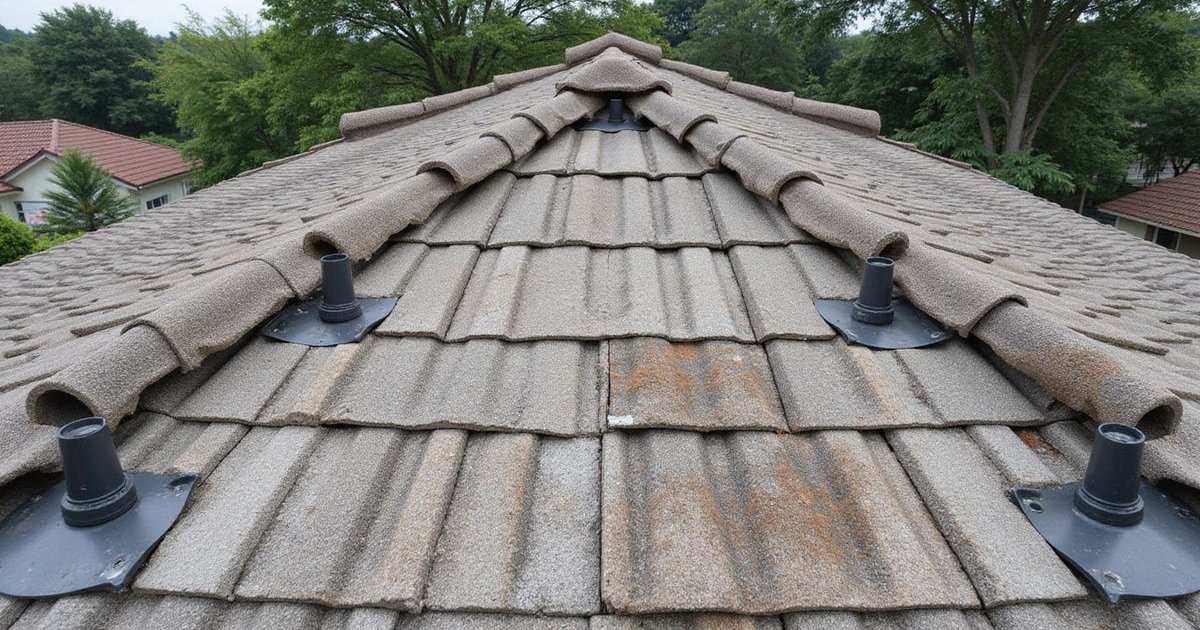
7 Warning Signs You Need Roof Repair (Don't Ignore These!)
Learn the key warning signs that indicate your roof needs professional attention. From water stains to missing tiles, know when to call a roofing expert.
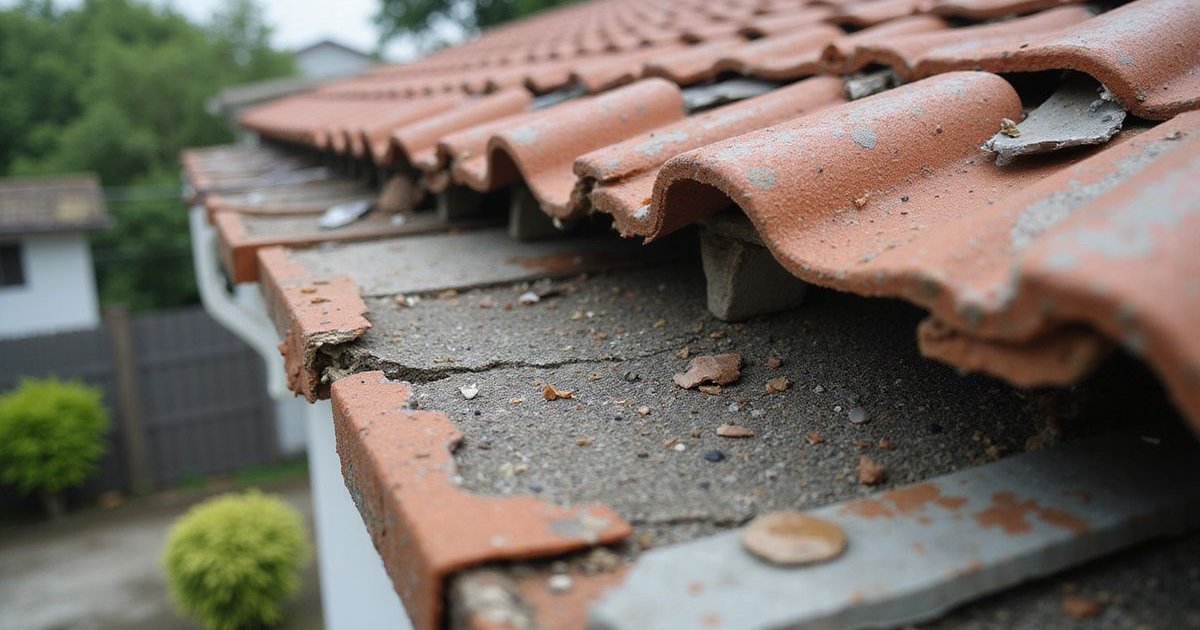
The afternoon sky turns dark at 4 PM, and suddenly you hear that familiar thunder rolling over the Klang Valley. We know that feeling of dread—wondering if this is the storm that finally breaks through your ceiling. Established in 2013 by a roofing expert with over 16 years of industry experience, Roofing Man began with a small team of five to address exactly these kinds of stressful moments for Malaysian homeowners.
Your roof protects everything you own from our intense tropical weather. However, many homeowners wait until water is actively dripping onto their furniture before calling for help. The damage typically starts months before you see that first drop, often hidden inside your ceiling plaster or timber trusses.
Catching these issues early is the key to avoiding a massive repair bill. Our team has identified seven clear warning signs that indicate your roof needs immediate professional roof leak repair.
1. Water Stains on Your Ceiling
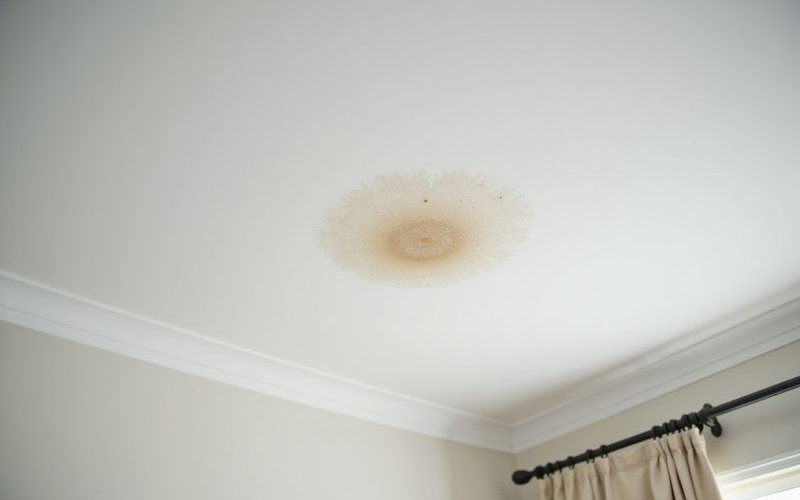
The most obvious sign of a roof problem is a brown or yellowish stain spreading across your ceiling plaster. These water stains indicate that moisture has already penetrated your roof tiles and insulation, pooling on the upper surface of your ceiling board.
What the color tells you:
- Dark Brown Rings: This usually points to a “fresh” or active leak that happens with every heavy rain.
- Yellowish/Faded Stains: These often indicate an older, slow leak or a one-time event that has dried but weakened the plaster.
- Black Spots: This is almost certainly mold growth, which poses a health risk to your family.
The “False Alarm” Check: Before you panic about a roof hole, check if the stain is directly under an air conditioning unit or piping. We often find that clogged AC drainage pipes cause ceiling stains that look exactly like roof leaks. If the area is nowhere near an AC unit, you likely have a roof penetration.
Don’t make the mistake of just painting over water stains. The underlying problem will continue to rot your ceiling structure. Get the leak fixed first, then repair the cosmetic damage.
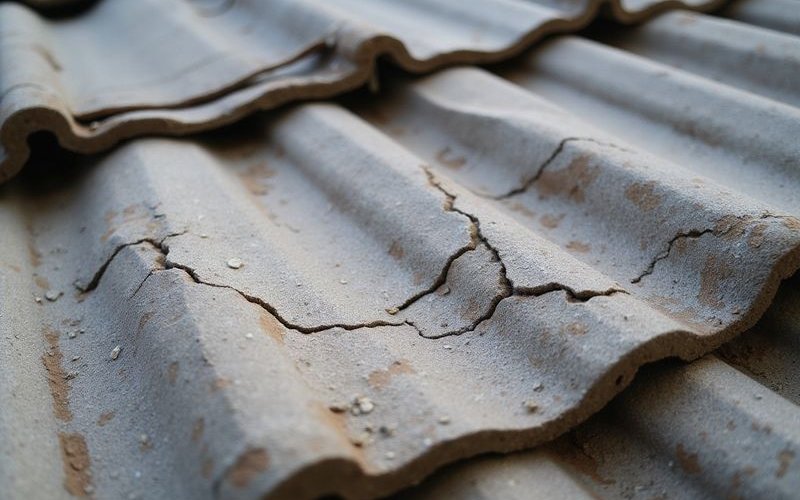
2. Missing, Cracked, or Broken Tiles
Your roof tiles are your first line of defense against our heavy monsoon rains. When tiles are damaged or missing, water flows directly onto your underlayment, which isn’t designed to hold back a full storm.
Common Malaysian causes:
- Thermal Shock: Our weather shifts rapidly from scorching 34°C heat to sudden cold rain, causing concrete tiles to expand and contract until they crack.
- The “Monkey Factor”: In areas like Subang Jaya, Ampang, and Puchong, we frequently see tiles displaced by troops of macaques moving across rooftops.
- Debris Impact: Falling branches during severe thunderstorms often crack older clay tiles.
Signs to watch for:
- Visible gaps in your roof tile coverage
- Tiles that have shifted out of position (look for uneven lines)
- Cracked tiles (often visible from the ground with binoculars)
- Tile fragments in your gutters or yard after storms
3. Sagging Roof Sections
A sagging roof line is a critical structural warning that you must never ignore. It almost always indicates that the timber battens, rafters, or trusses supporting your heavy tiles have failed.
The Termite Threat: In Malaysia, the number one cause of structural roof failure is termite damage (Coptotermes species). We have seen termites eat the entire inside of a timber truss, leaving only a thin shell of paint holding the wood together. If you see sagging, look for “frass” (termite droppings that look like sawdust) or mud tubes on your walls.
Why this is urgent:
- Collapse Risk: A sagging roof can suddenly collapse during a storm due to the added weight of water and wind.
- Ponding Water: The dip collects water, forcing it under the tiles and causing massive internal leaks.
If you notice any sagging, avoid the area and call a professional immediately. A sagging roof can collapse if left unaddressed.
4. Daylight Visible Through Roof
If you can see pinpricks of light coming through your roof when standing in your attic, you have a direct path for water entry.
The “Pinhole” Test:
- Go into your attic space between 12:00 PM and 2:00 PM when the sun is brightest.
- Turn off all attic lights.
- Look up at the underside of the roof tiles and valleys.
- Any speck of light indicates a hole, crack, or gap.
Even small gaps can allow significant water intrusion during heavy Malaysian monsoon rains. Wind-driven rain can be pushed horizontally through these gaps, soaking your insulation and wiring.
5. Clogged or Damaged Gutters
Your gutters play a crucial role in directing water away from your roof and foundation. When they fail, water backs up under your roof tiles or overflows into your ceiling.
The RC Gutter Problem: Many terrace houses in the Klang Valley feature Reinforced Concrete (RC) gutters. We constantly repair these because their original waterproofing layer fails after 10-15 years, leading to hairline cracks that leak water directly into the master bedroom or porch.
Warning signs:
- Water marks appearing on the external wall just below the gutter line.
- Plants growing in your gutters (indicates long-term blockage and root damage).
- Rust holes in metal valley gutters (common in older bungalows).
Regular gutter maintenance can prevent many roof problems before they start.
6. Granules in Your Gutters
If you have an asphalt shingle roof (common on some newer bungalows or gazebos), finding sand-like granules in your gutters is a bad sign.
What granule loss means:
- UV Shield Failure: Those granules protect the asphalt from the sun; once they are gone, the sun bakes the shingles until they crack.
- End of Life: Excessive granule loss usually means the roof is nearing the end of its 15-20 year service life.
7. Moss, Mold, or Fungus Growth
While some moss on your roof might look charming, it acts like a sponge that holds moisture against your roof materials.
The “Black Algae” Issue: In our humid climate, you will often see black streaks running down concrete tiles. This is a type of algae that feeds on the limestone in the tiles, slowly pitting the surface and making them more porous.
Problems caused by moss and mold:
- Retains moisture that degrades roofing materials.
- Roots can lift tiles and create gaps for wind-driven rain.
- Indicates poor drainage or ventilation in shaded roof areas.
- Can spread to interior ceilings if untreated.
Comparison: Spot Repair vs. Full Solutions
Making the right choice depends on the severity of the damage. We have compiled this comparison to help you weigh your options.
| Feature | Spot Repair / Patching | Chemical Injection (PU) | Full Re-Roofing |
|---|---|---|---|
| Best For | Single broken tiles or minor flashing leaks. | Concrete slab (RC gutter) cracks and seepage. | Old roofs (20+ years) or widespread termite damage. |
| Estimated Cost | Low (RM200 - RM800 range). | Mid-Range (Starts ~RM45 per injection point). | High (RM12,000 - RM50,000+ depending on size). |
| Durability | Temporary to Medium-term (6-12 months). | Long-term (Effective for sealing active cracks). | Permanent (20-50 year lifespan). |
| Time to Fix | 2-4 Hours. | 1-2 Days. | 1-2 Weeks. |
What to Do If You Notice These Signs
If you’ve observed any of these warning signs, here’s what to do:
- Don’t panic - Most roof problems can be repaired if caught early.
- Document the issue - Take photos of the stain or damage and note when you first noticed it.
- Avoid DIY fixes - Climbing on a wet roof is dangerous, and temporary patches like silicone often fail within weeks in our heat.
- Call a professional - Get a proper inspection and repair quote.
When to Call Roofing Man
We recommend calling for a professional inspection if:
- You notice any of the warning signs above.
- Your roof is over 20 years old and hasn’t been inspected recently.
- You’ve had recent severe weather (heavy rain, strong winds).
- You’re buying or selling a home.
At Roofing Man, we offer free, no-obligation roof inspections. We’ll assess your roof’s condition and provide honest advice on whether repairs are needed - and if so, what they’ll cost.
Ready for a roof inspection?
- Call: 016-699 9077
- WhatsApp: Chat with us
- Email: hello@roofingman.my
Don’t wait until you have water dripping into your living room. Catching problems early saves money and prevents damage to your home.